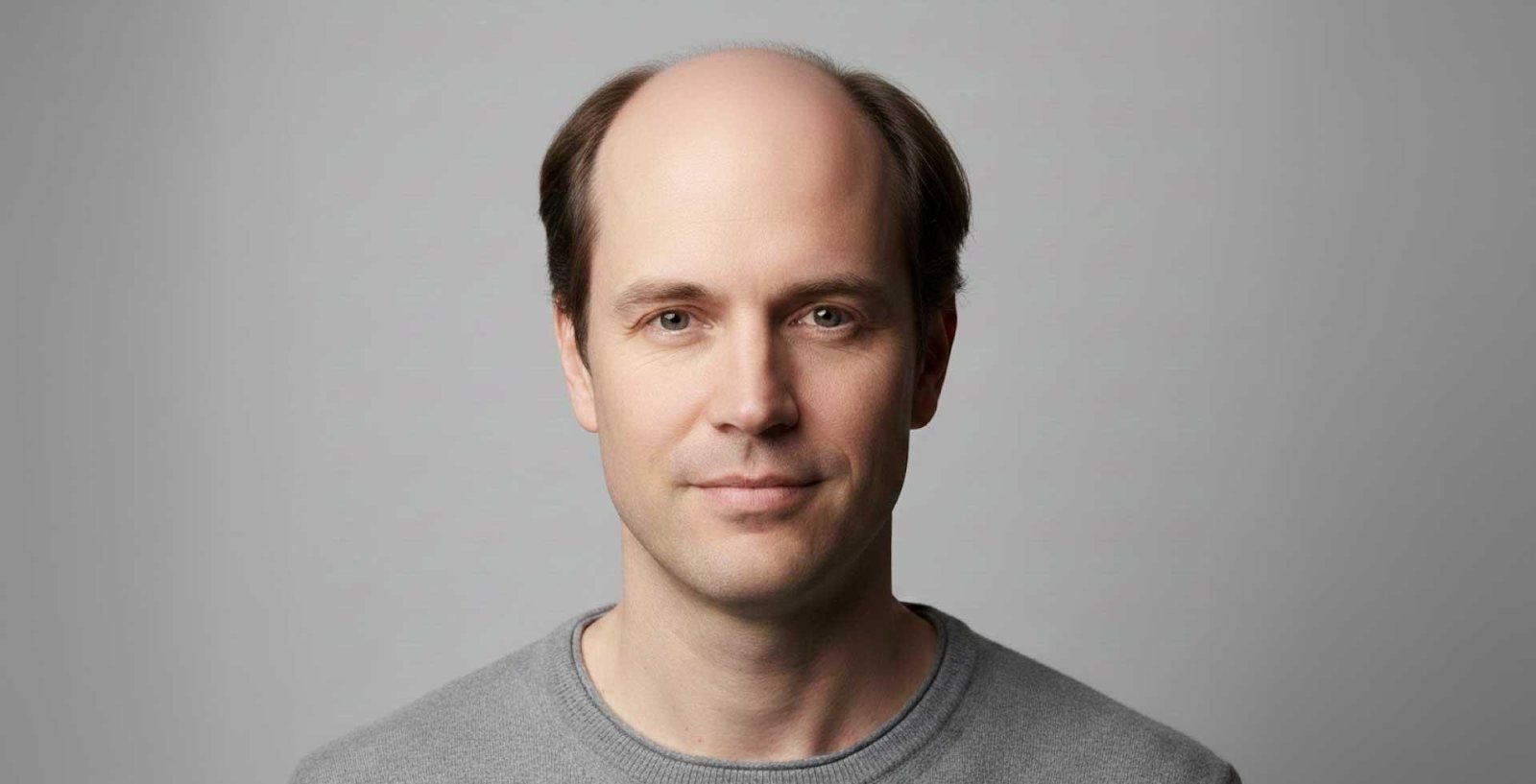
Hair loss can develop for several reasons, including hereditary factors, hormonal changes and certain medical conditions. When hair thinning progresses, some people consider surgical hair restoration. However, choosing a suitable approach requires an understanding of the available techniques, donor hair availability and the possible progression of hair loss.
If you are researching Hair Transplant in Delhi, you may have come across Follicular Unit Extraction (FUE), Follicular Unit Transplantation (FUT) and Direct Hair Implantation (DHI). These terms describe different aspects of hair transplantation. While FUE and FUT differ primarily in how donor follicles are collected, DHI generally refers to an implantation approach.
Understanding these differences can help you prepare for a consultation and make informed decisions about hair restoration.
A hair transplant is a surgical procedure in which hair follicles are moved from a donor area, usually at the back or sides of the scalp, to areas affected by hair loss. Before considering surgery, a medical professional evaluates the cause of hair loss, the condition of the scalp, the availability of donor hair and the expected progression of thinning.
Hair transplantation does not necessarily stop hereditary hair loss in untreated areas. Therefore, identifying the underlying cause is an important first step. If you are experiencing ongoing hair fall, understanding the causes, symptoms and treatment options for hair fall can help you learn why different types of hair loss may require different management approaches.
Follicular Unit Extraction, commonly known as FUE, involves removing individual follicular units from the donor area using a specialised punch instrument. The collected grafts are then prepared and implanted into the recipient area according to the surgical plan.
FUE is not completely scarless. It produces multiple small scars at the extraction sites, and excessive harvesting can affect the appearance of the donor area. Consequently, careful planning is important to preserve donor hair for future needs.
Follicular Unit Transplantation, or FUT, is also known as the strip method. During this procedure, a strip of hair-bearing scalp is removed from the donor area and divided into individual follicular unit grafts under magnification. The prepared grafts are then implanted into the recipient area.
FUT leaves a linear scar at the donor site and generally requires stitches or another method of wound closure. Some individuals may experience tightness, tenderness or changes in scalp sensation during recovery.
The visibility of the scar varies according to healing, scalp characteristics, surgical technique and hair length. Therefore, discussing scarring and recovery expectations with the surgeon is important before choosing this method.
Direct Hair Implantation, commonly called DHI, generally refers to an approach that uses a specialised implanter device to place harvested hair follicles into the recipient area. In many procedures described as DHI, the follicles are first collected using FUE.
This distinction matters because FUE describes the harvesting process, whereas DHI generally describes the implantation approach. As a result, they are not always separate or directly competing techniques.
Using an implanter does not automatically guarantee greater density, better graft survival or faster recovery. Outcomes depend on surgical planning, graft handling, the implantation process and individual characteristics.
Before choosing a procedure described as DHI, ask which steps the surgical team will perform, how the grafts will be handled and who will carry out the surgical stages.

| Feature | FUE | FUT | DHI |
|---|---|---|---|
| Main distinction | Individual follicle harvesting | Strip harvesting | Implantation approach |
| Donor-site scarring | Multiple small scars | Linear scar | Depends on the harvesting method |
| Stitches | Usually not needed for extraction sites | Usually required for wound closure | Depends on the harvesting method |
| Graft placement | Depends on the selected implantation approach | Depends on the selected implantation approach | Generally uses a specialised implanter |
| Important consideration | Donor hair preservation | Linear scarring and scalp suitability | Implantation technique and team experience |
These methods differ in their surgical steps, and the most appropriate option depends on the individual's hair-loss pattern, donor supply, scalp characteristics and treatment goals.
There is no single technique that is suitable for everyone. Instead, the decision should consider several factors.
The affected areas and the likelihood of future thinning influence whether surgery is appropriate. A long-term plan should account for the possibility that hair loss may continue in untreated areas.
The density and distribution of donor hair influence how many grafts may be harvested safely. Preserving the donor supply is particularly important when future procedures may be considered.
FUE generally produces multiple small extraction scars, while FUT leaves a linear scar. The appearance of these scars depends on the surgical approach, healing and hairstyle preferences.
Recovery varies according to the procedure, the number of grafts and individual healing. Transplanted hair may shed temporarily before new growth becomes visible, and the final cosmetic outcome takes time to assess.
Hairline design, graft handling, donor management and implantation technique all influence the result. Therefore, choosing a procedure solely because it is marketed as newer or more advanced may not be appropriate.
People searching online for the best hair transplant doctor in Delhi should look beyond rankings and promotional claims. Consider the surgeon's relevant qualifications, experience with the proposed procedure, approach to patient assessment and ability to explain potential risks and limitations.
At Skin DNA Clinic, Dr Mayuri Jain can help you understand your hair-loss concerns and discuss appropriate care options. Before considering a hair transplant, ask about the cause of hair loss, the expected number of grafts, donor-area limitations, possible scarring, recovery and the likelihood of future hair thinning. You should also understand who will perform the harvesting and implantation stages.
A thorough assessment helps determine whether surgery is appropriate and which technique may suit your individual needs.
If you are comparing options for a hair transplant near me, consider the clinic's location alongside the quality of the consultation, surgical arrangements, hygiene practices and follow-up care. Accessibility may be helpful because hair transplantation involves post-procedure instructions and follow-up appointments.
For people exploring a hair transplant in Punjabi Bagh, location can be one factor when shortlisting clinics. Skin DNA Clinic is located at E1/52 North Avenue Road, Punjabi Bagh West, New Delhi.
Skin DNA Clinic is a local option for people researching hair and scalp care. Dr Mayuri Jain, a dermatologist at the clinic, can assess hair loss and discuss suitable treatment considerations with you. The appropriate approach depends on the individual's condition and should be determined following a suitable medical evaluation.
Similarly, when searching for the best hair transplant clinic in Delhi, review the qualifications of the professionals involved, the transparency of the treatment plan, the explanation of possible complications and the arrangements for post-operative care. No particular technique or clinic can guarantee a specific cosmetic result.
A hair transplant moves existing follicles into selected areas; hair fall treatment aims to address the underlying cause or manage ongoing hair loss, depending on the diagnosis. Not everyone experiencing hair thinning needs surgery.
Depending on the cause, a medical professional may recommend medical management, further investigations or a combination of approaches. You can explore hair fall treatment in Delhi to understand the treatment options that may be considered for different hair-loss concerns.
Hair characteristics and the underlying cause can also influence treatment planning. For further information, read this guide to hair fall treatment for different hair types.
If you are exploring surgical options, learn more about the hair transplant procedure in Delhi and the factors that influence treatment planning.
Neither technique is universally better. FUE avoids a linear donor incision but creates multiple small extraction scars. FUT involves removing a strip of scalp and leaves a linear scar. The appropriate method depends on donor characteristics, hair-loss patterns and surgical goals.
Yes, although they describe different stages of the procedure. FUE refers to how donor follicles are extracted, whereas DHI generally refers to an implantation approach using a specialised implanter. DHI procedures often use FUE for harvesting.
No. A hair transplant relocates follicles but does not necessarily stop hair loss in untreated areas. Further thinning may occur, so long-term management should be discussed with a qualified medical professional.
Consider professional qualifications, the proposed surgical technique, donor-area assessment, hygiene practices, clear explanations of risks and follow-up arrangements. The clinic's location may also matter for attending post-procedure appointments.
FUE, FUT and DHI differ mainly in how donor follicles are harvested and how grafts are implanted. FUE involves individual follicular extraction, FUT uses a strip of donor scalp, and DHI generally describes an implantation approach using a specialised device.
If you are considering a hair transplant in Delhi or Punjabi Bagh, understanding these differences is a useful starting point. A qualified medical professional can assess your hair-loss pattern, donor hair availability and treatment goals before explaining which options may be appropriate.
This article is for informational purposes only and is not a substitute for professional medical advice. Consult a qualified medical professional for personalised guidance.

Schedule a consultation to discuss your personalized treatment plan